Mercury Hydraulics is servicing the hydraulic tilting worktable cylinder and mounting system on a Hualong HKNC-450J 5-axis CNC bridge sawjet at a stone and countertop fabrication shop. The documented work starts with the actual cylinder, mount, and operating conditions—not an assumed parts order.
The Hualong HKNC-450J And Its Hydraulic Worktable
Hualong identifies the HKNC-450J as a 5-axis CNC bridge sawjet used for stone materials and work including slabs, countertops, and sinks. Its published product information describes a workbench that can tilt to 85 degrees. [1]
For this repair case, the assembly is described as a hydraulic tilting worktable. “Hydraulic tilt table” is a useful shorter term for the same machine function. Across stone-fabrication equipment, hydraulic cylinders move a table between the horizontal cutting position and the vertical loading position. [2]
The Hydraulic Repair Work Shown Here
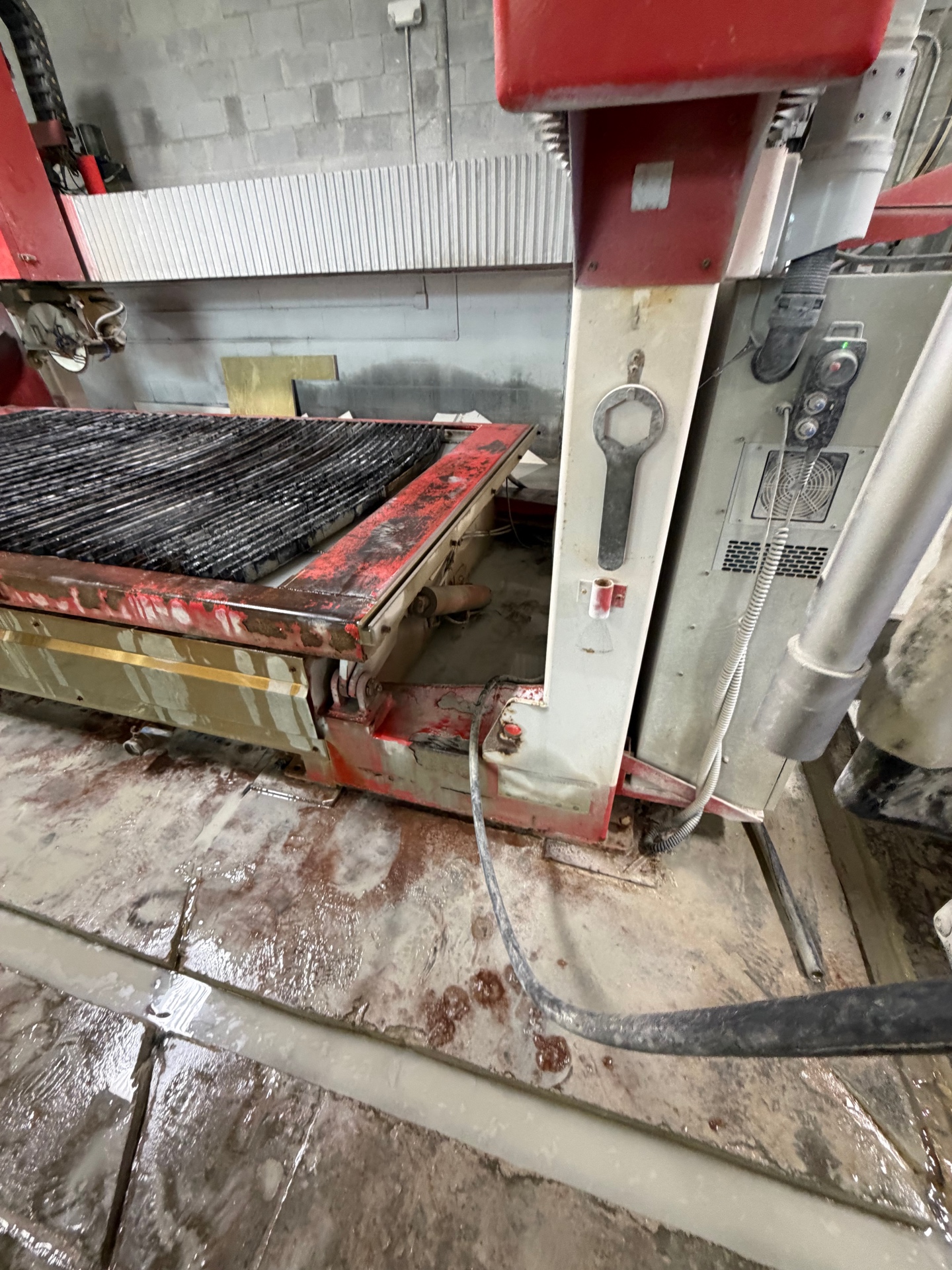
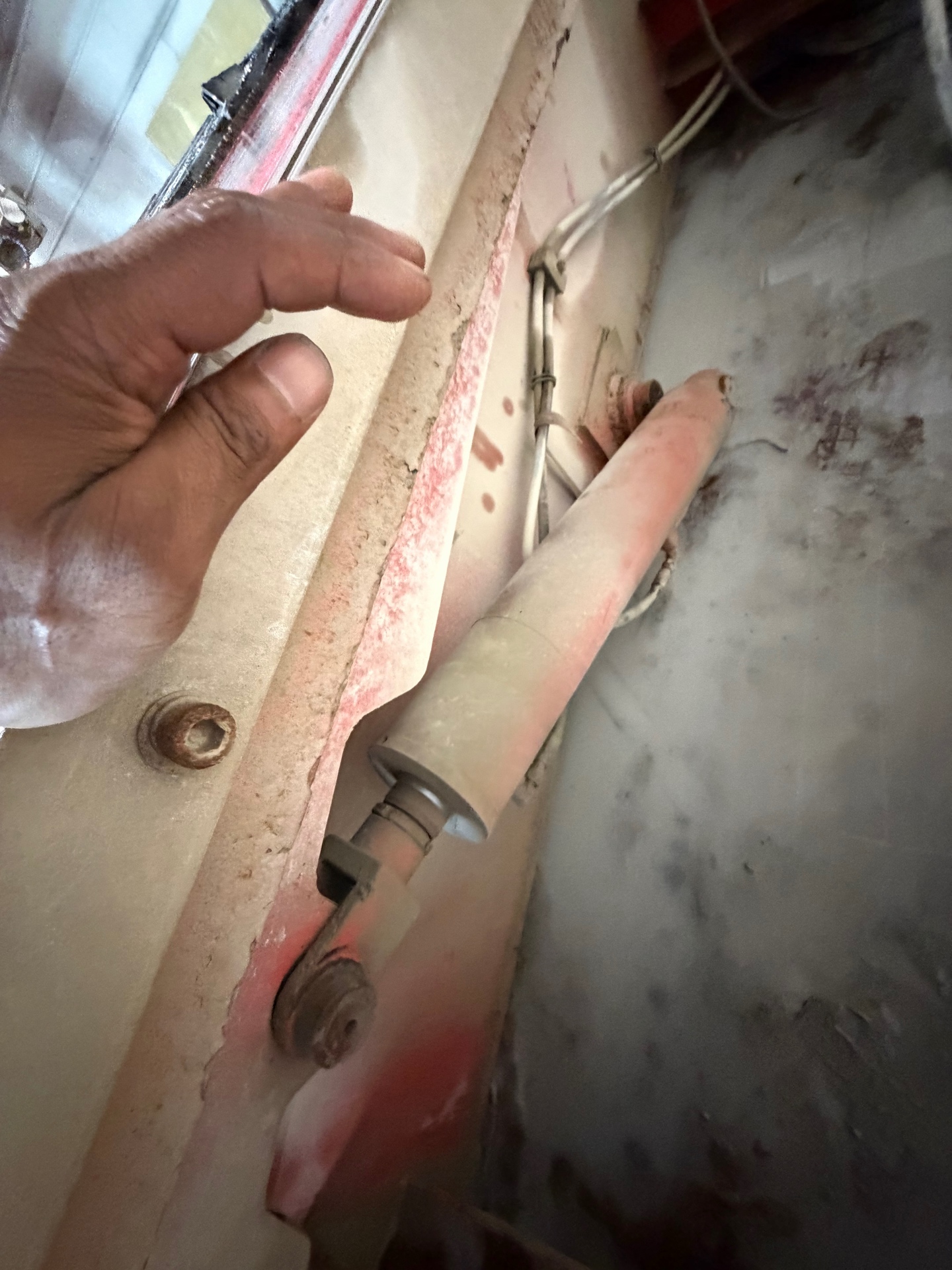
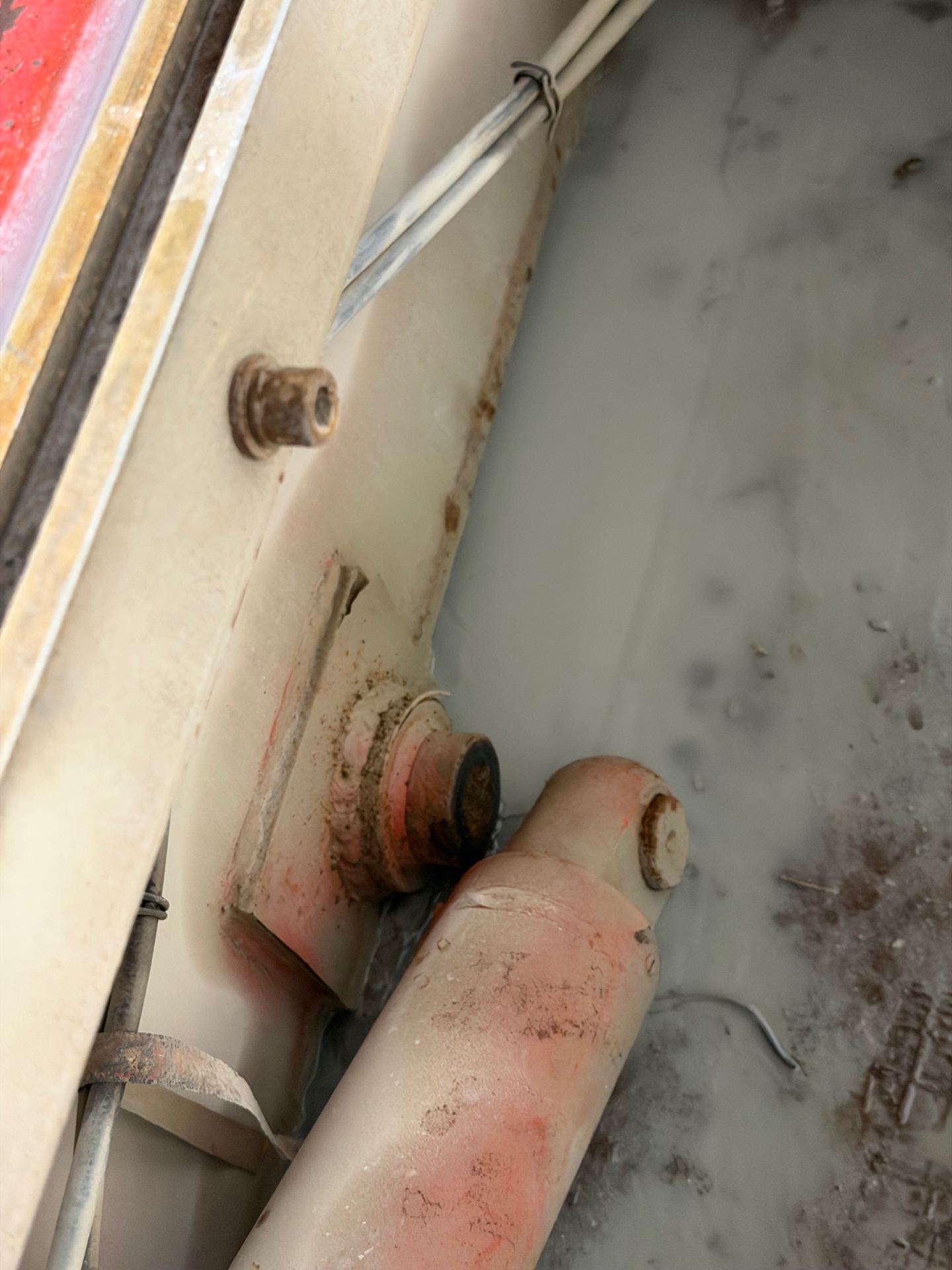
The job media shows the hydraulic cylinder installed beneath the tilting worktable, together with the upper mounting-pin area and cylinder-end components being addressed during the repair. Stone slurry and moisture are visible throughout the operating area—conditions that demand attention to exposed hydraulic and mechanical components.
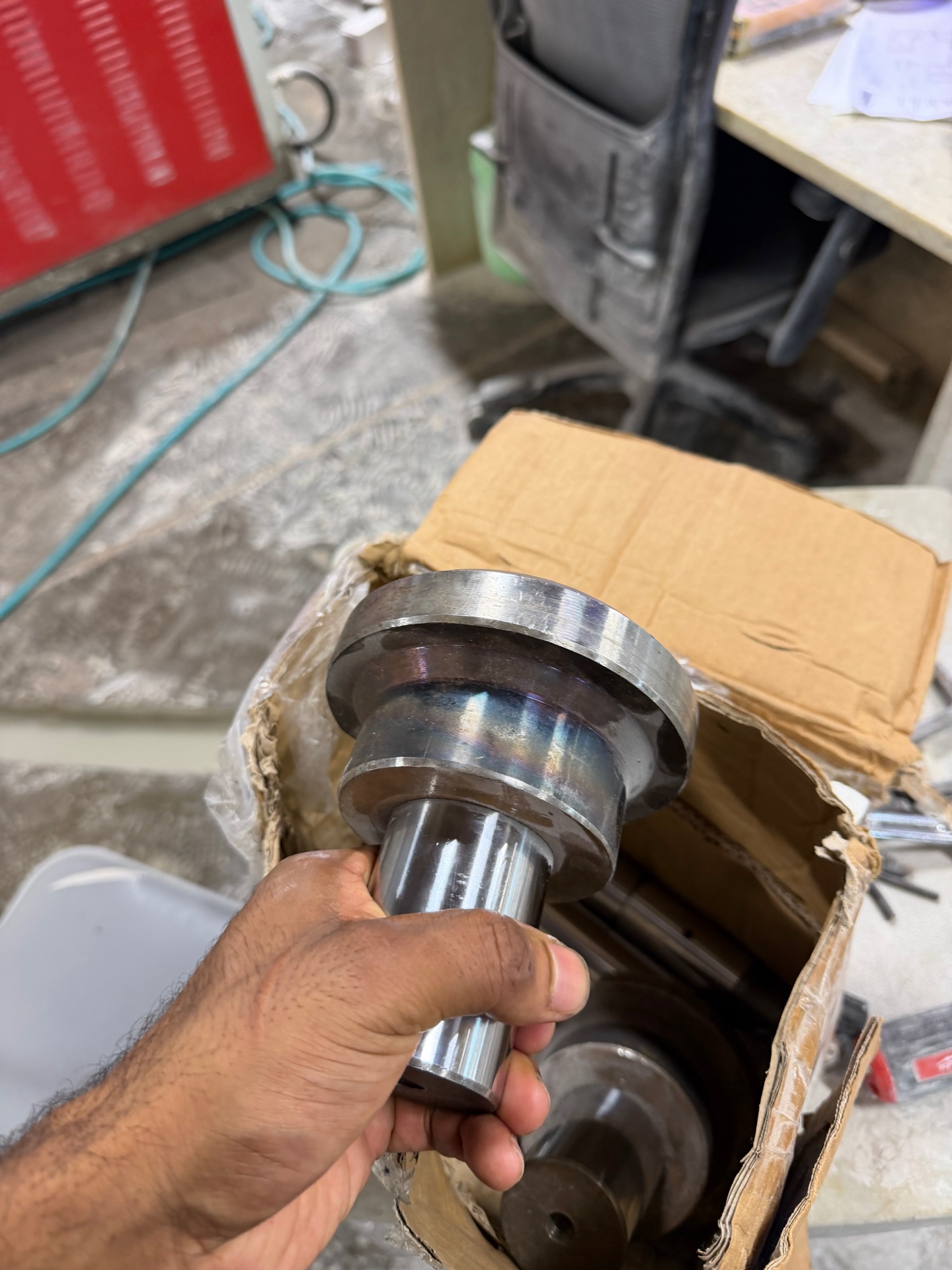
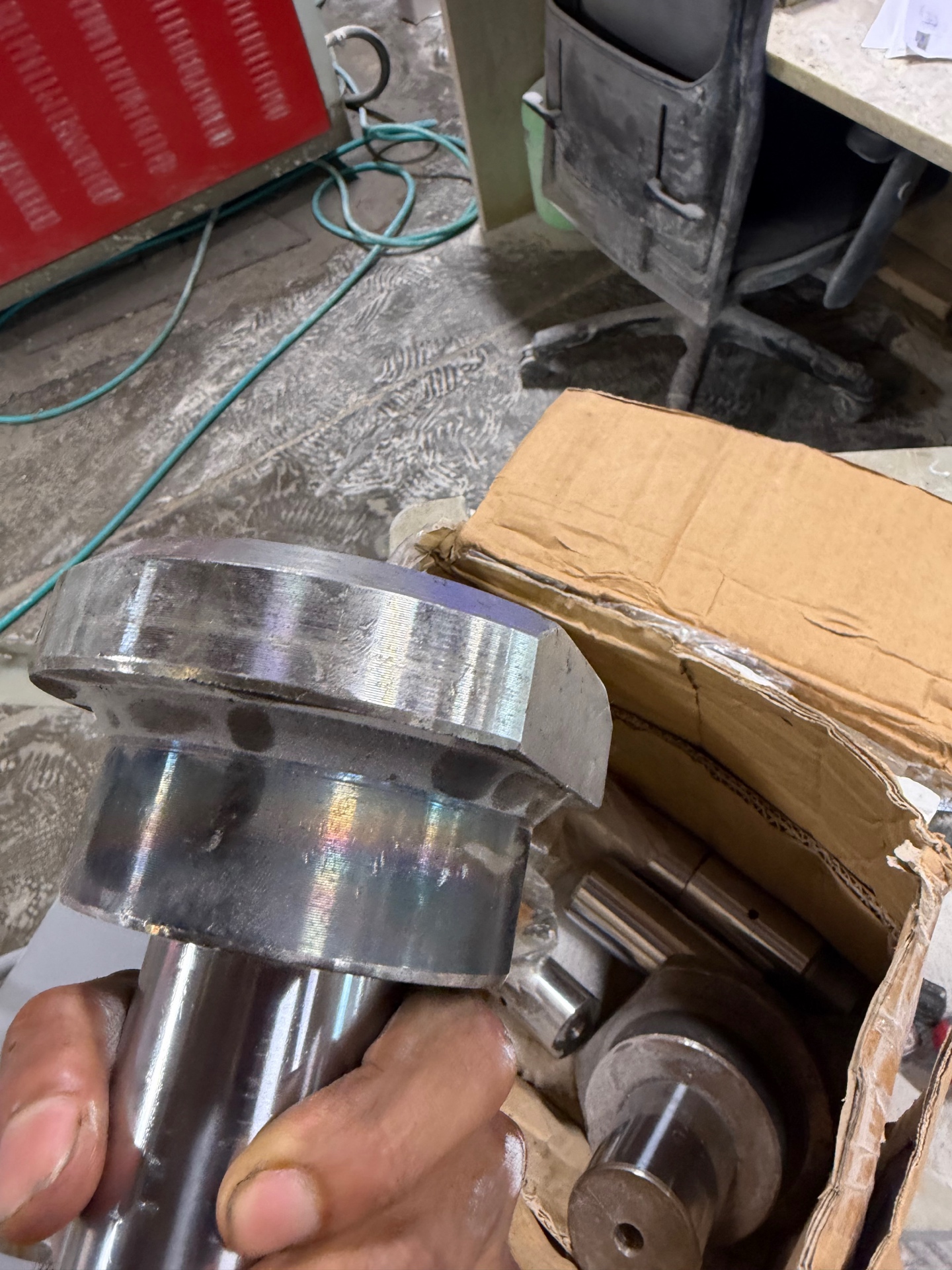
Mercury Hydraulics is servicing the tilt-table hydraulic cylinder and mounting system so the worktable can return to controlled lifting and lowering. The images also show cylinder-end or mounting components prepared in the Melbourne shop as part of the repair process. The work shown is a documented evaluation and service case, not a universal repair procedure.
The Cylinder Is Only Part Of The Evaluation
A hydraulic tilting worktable repair is not always solved by installing a seal kit. The practical repair question can include the cylinder rod, end connection, mounting pin, bushing area, cylinder eye or clevis, mounting boss, hoses, and the structural interface between the cylinder and the table.
Mercury evaluates the complete mechanical and hydraulic connection. A visible leak or slow movement may be important evidence, but it does not by itself identify the final repair scope. The condition of the actual machine and components determines what can be addressed.
| System Area | What Mercury Can Evaluate |
|---|---|
| Hydraulic Cylinder | Leakage, loss of force, rod condition, internal wear, and sealing concerns. |
| Cylinder Mounting Points | Pins, mounting holes, eyes or clevises, bosses, retainers, alignment, and evidence of wear. |
| Hoses And Fittings | Leaks, abrasion, damaged connections, and application-appropriate replacement needs. |
| Hydraulic Power And Controls | Pressure, flow, valves, pump performance, and controlled table movement. |
| Machined Components | Repair-driven machining when a worn, damaged, or hard-to-source component needs evaluation. |
Why In-House Machining Matters
Wear can involve more than the cylinder’s internal sealing elements. When a cylinder-end or mounting component is worn, damaged, unavailable, or no longer fits correctly, machining may be part of the practical repair path.
Mercury Hydraulics combines hydraulic repair and machining in the same Melbourne shop. That allows the cylinder work and the repair-driven machining of pins, bushings, rod-end components, or other application-specific parts to be considered together when the case requires it. The objective is to address the connection that is actually worn—not only the most visible symptom.
Hydraulic Service For Stone And Countertop Fabrication Equipment
Stone and countertop fabrication equipment can depend on hydraulic cylinders for lifting, tilting, clamping, or positioning. Mercury can discuss hydraulic cylinder repair, mounting-system work, hose and fitting support, and repair-driven machining for identified stone-fabrication equipment.
A table that raises slowly, settles or drifts, moves unevenly, leaks oil, makes unusual noise, or has looseness at a cylinder mounting point needs attention. Equipment that lifts or supports heavy stone should be removed from operation and evaluated if the hydraulic or mounting system is not behaving normally.
Inspection Footage From This Repair Case
The clips below document the tilt-table cylinder and mount inspection. They are included as job evidence only and are not step-by-step service instructions.
Discuss A Hydraulic Tilt-Table Repair
If the hydraulic tilting worktable on a bridge saw, sawjet, or stone-fabrication machine is leaking, drifting, moving slowly, or has damaged mounting components, Mercury Hydraulics can discuss an evaluation path. Send clear photos or video of the machine, cylinder, mounting points, nameplate, and visible problem area.
The machine manufacturer and model, component markings, application, and symptom history help Mercury understand the equipment before the next practical step is discussed. Removal, installation, and machine-level safety procedures should follow the applicable equipment documentation and be handled by qualified personnel.