Industries / Applications
Hydraulics do different work in every environment.
We start with the operating context: load, motion, pressure, contamination, temperature, access, downtime, and the equipment around the failed component.
Industry index
Built around the application.
The list below reflects the industries represented in the former site’s public information architecture. Specific repair scope is confirmed component by component.
Aerospace
Ground-support and precision hydraulic applications.
Defense
Repair-driven support for demanding hydraulic equipment.
Marine
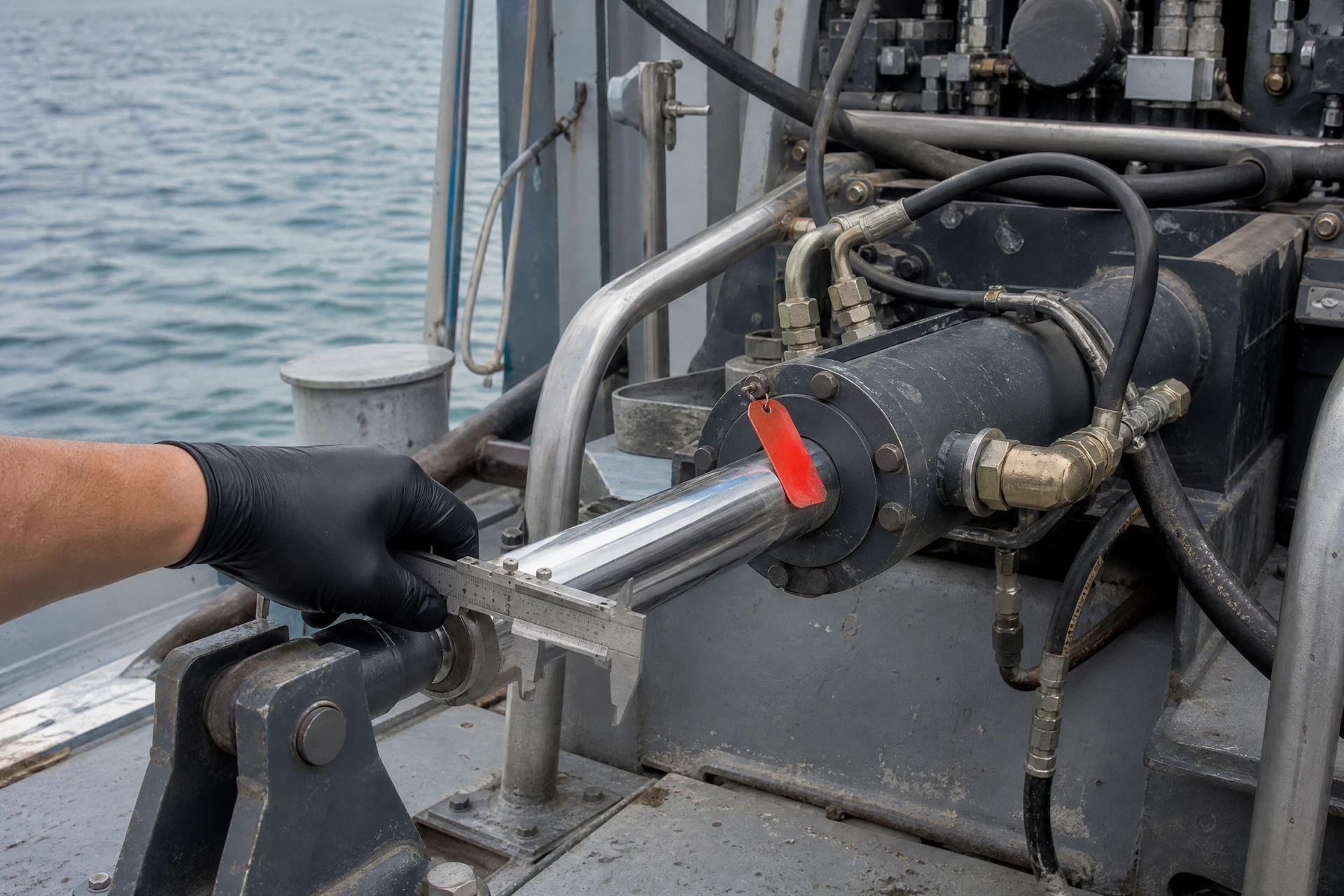
Steering, winches, power units, cylinders, and deck systems.
Industrial
Plants, presses, production equipment, and hydraulic power units.
RV & Recreation
Leveling jacks, slide systems, cylinders, and hoses.
Aviation GSE
Aircraft jacks, service equipment, and hydraulic ground systems.
Construction
Cylinders, lines, pumps, and valves for heavy equipment.
Agriculture & Forestry
Field equipment, implements, and working hydraulics.
Equipment Rental
Repair support for varied, high-utilization fleets.
Material Handling
Forklifts, lifts, dock equipment, and handling systems.
Marine & vessel systems
Steering, winches, power units, deck machinery, cylinders, hoses, and fittings must tolerate motion, salt exposure, access constraints, and the cost of vessel downtime.
Industrial & production equipment
Power units, presses, handling equipment, and plant systems benefit from diagnosis that looks beyond the visibly failed component.
Mobile & heavy equipment
Cylinders, pumps, lines, valves, and attachment circuits experience impact, contamination, changing loads, and demanding routing conditions.
RV & specialty equipment
Leveling jacks and slide systems often combine older components, limited replacement options, and installation-specific geometry.
Discuss the application