An E-Z Crusher depends on its hydraulic cylinders to move a heavy crusher deck through a demanding recycling application. When a cylinder leaks, binds, drifts, or shows rod or barrel damage, the repair decision should start with the actual machine, component, and failure evidence—not a generic replacement assumption.
Related Hydraulic Services
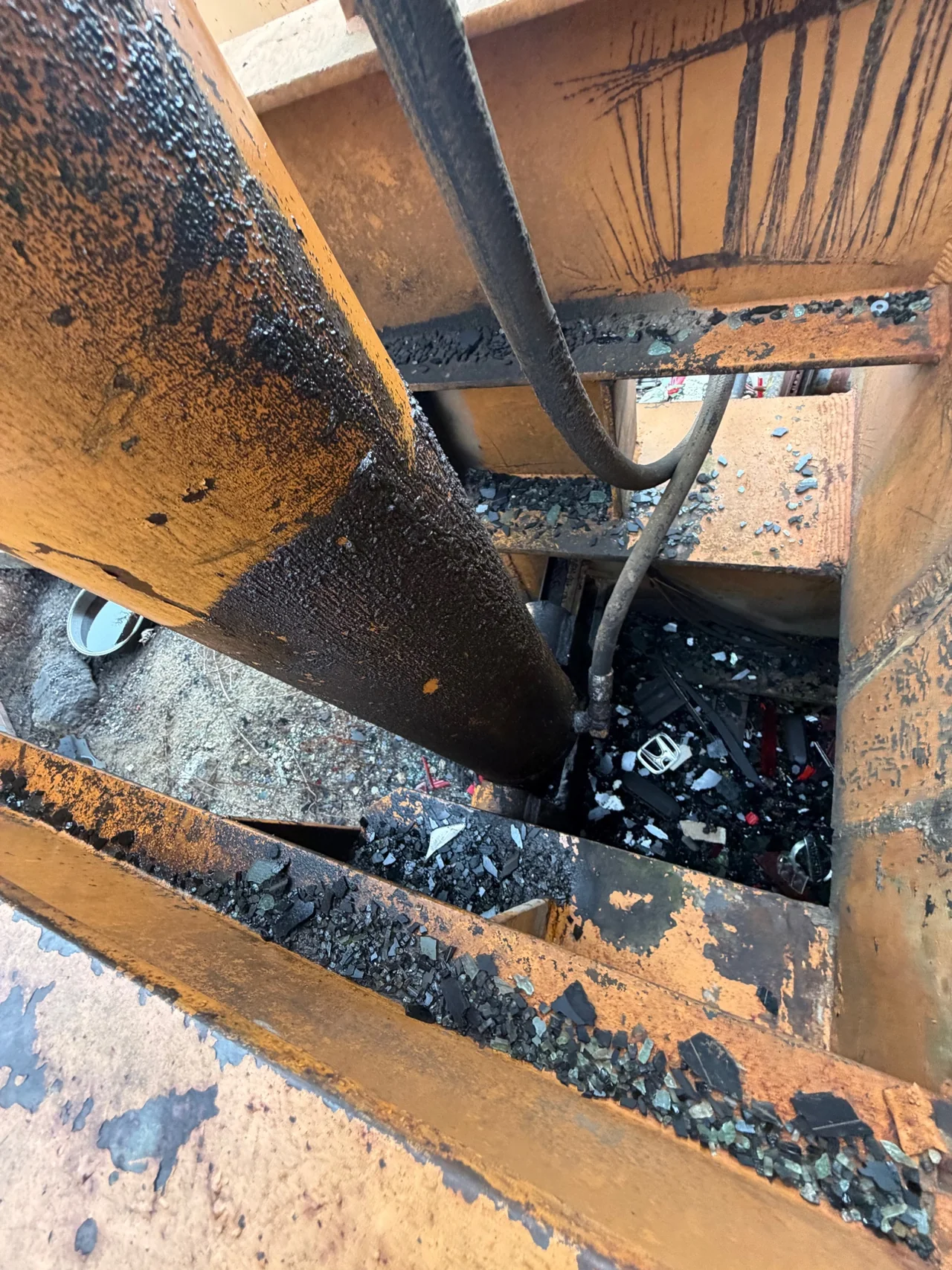
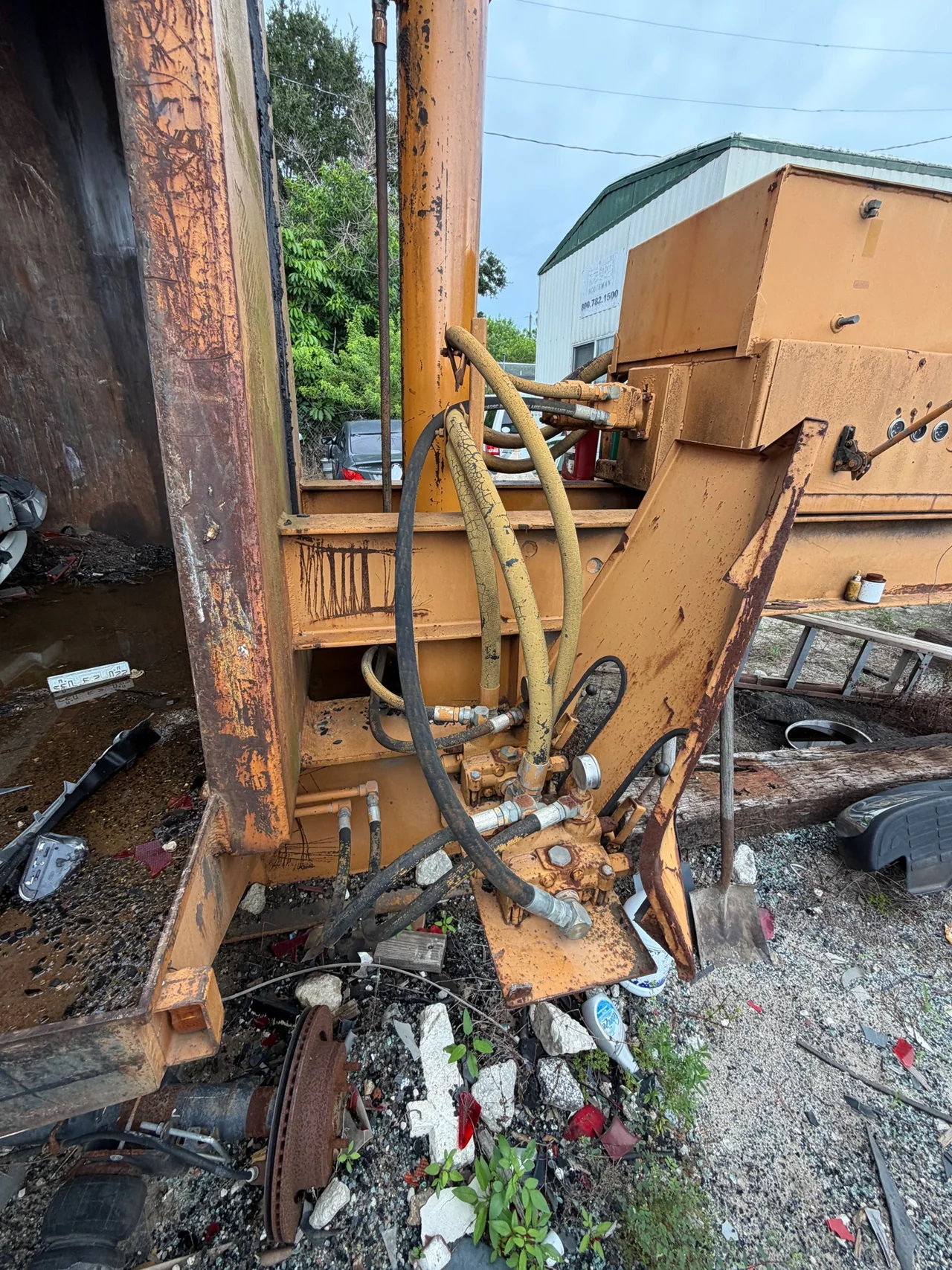
Start With The Actual E-Z Crusher And Cylinder
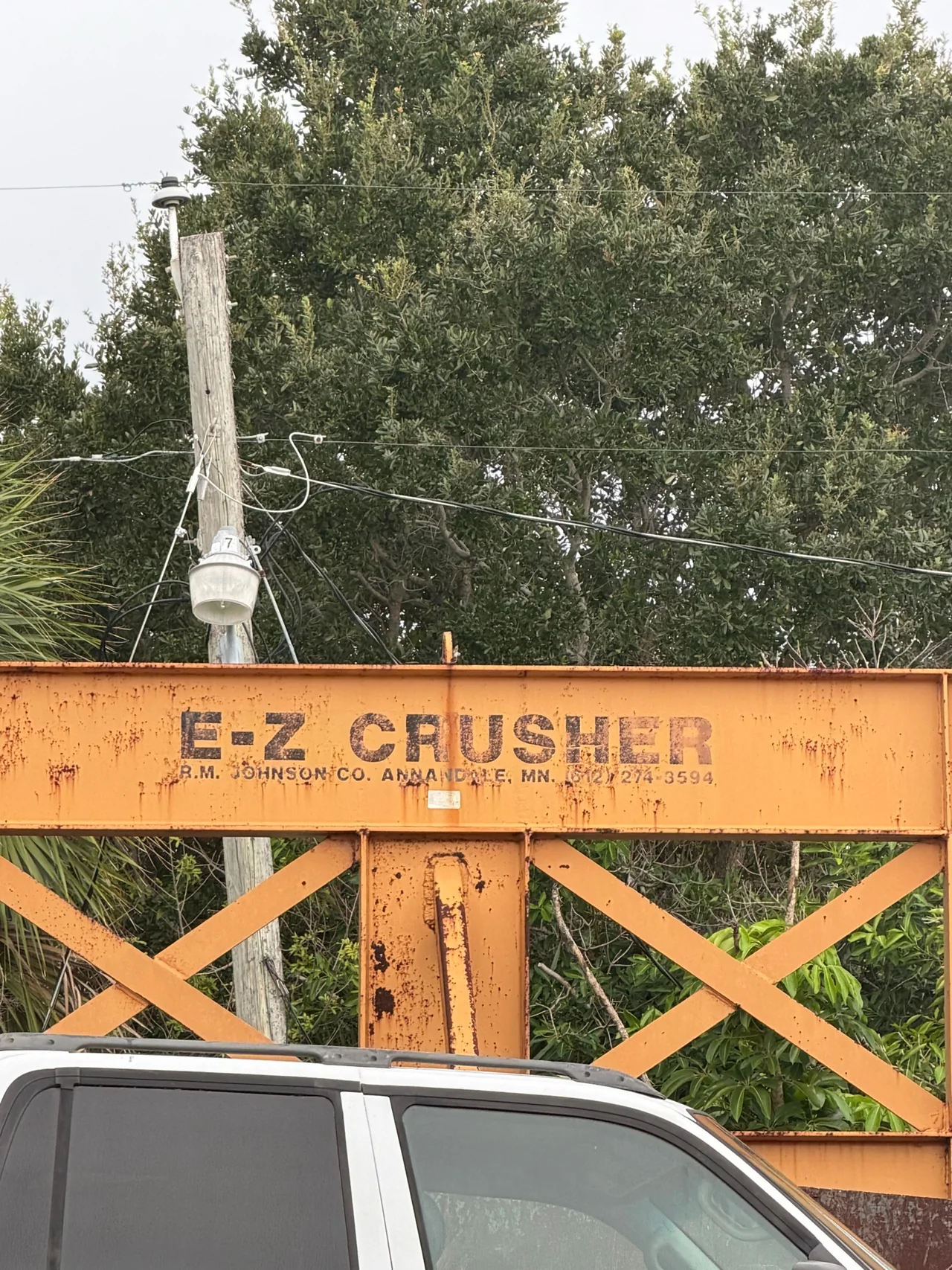
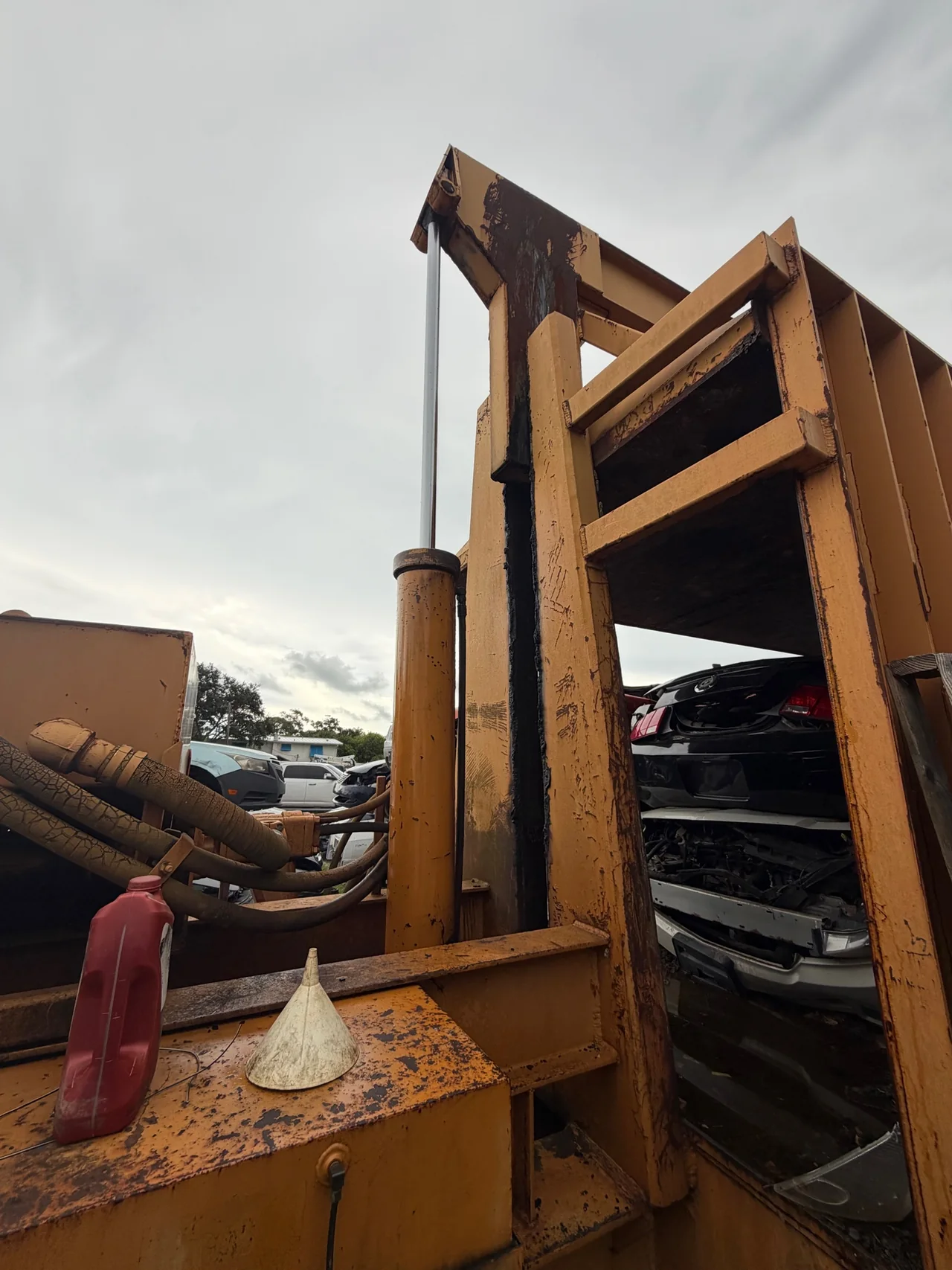
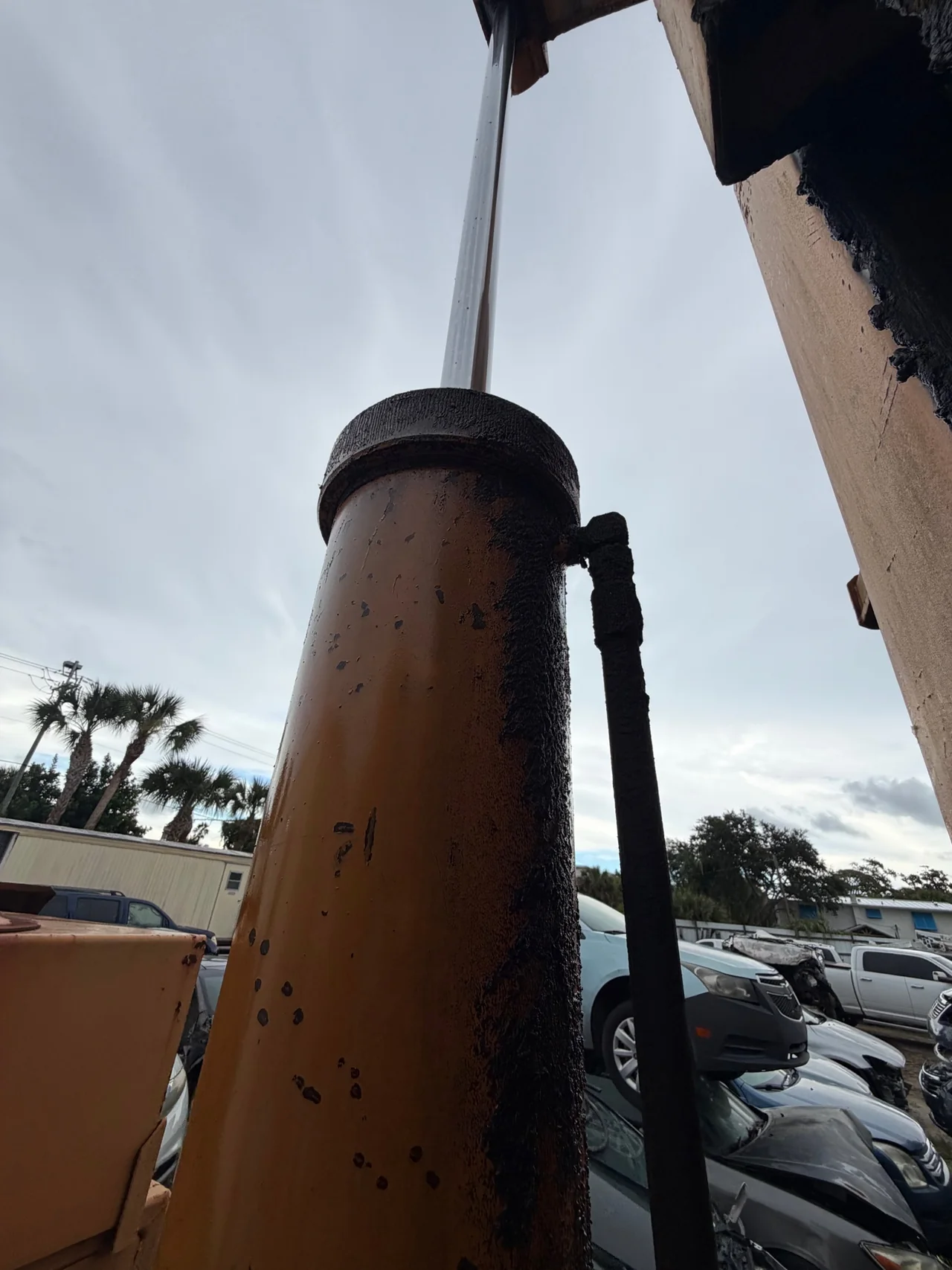
Mercury Hydraulics repairs hydraulic cylinders across all E-Z Crusher models, subject to the individual cylinder’s condition, configuration, and the repair scope established after inspection. The supplied job media shows an E-Z Crusher unit, its installed cylinder, exposed rod, cylinder barrel, surrounding work area, and hydraulic connections.
Those images are useful starting evidence, but they do not establish a precise root cause or complete repair scope on their own. Before removal, document readable machine and cylinder markings, the first visible leak or damage, the direction of the operating concern, and the complete cylinder mounting and hose arrangement.
What The Job Photos Help Mercury Evaluate
| Area | What the supplied media documents | Why it matters to the repair conversation |
|---|---|---|
| Machine identity | E-Z Crusher equipment identification and crusher structure | Confirms the equipment context before discussing the cylinder and its intended function. |
| Cylinder condition | Installed cylinder, barrel, gland area, and extended rod | Helps identify visible condition evidence that should be evaluated with the removed component. |
| Mounting and travel context | Cylinder position relative to the crusher deck and structure | Supports a conversation about mounting geometry, rod protection, and the actual application. |
| Hydraulic circuit context | Hoses, fittings, and control-side connections | Helps separate a cylinder repair question from a broader hose, valve, control, or system concern. |
How Mercury Approaches Car Crusher Hydraulic Cylinder Repair
A practical cylinder repair path begins after the cylinder is safely removed and brought to Mercury’s Melbourne facility for evaluation. The component is identified and inspected through controlled disassembly. Depending on the cylinder and observed condition, the evaluation can consider the rod, bore, gland, piston, sealing surfaces, ports, mounts, and evidence of contamination, scoring, corrosion, impact damage, or misalignment.
Mercury brings hydraulic repair and in-house machining capability together when the application requires both. The actual findings determine whether a repair, machining step, replacement of a serviceable internal element, or a different component decision is practical. Mercury does not assume that a visible leak means seals alone are the complete repair, or that every cylinder can be returned to service before the unit is evaluated.
E-Z Crusher HOSS Reference: Confirm The Exact Model Before Service
The manufacturer page supplied with this job identifies the E-Z Crusher HOSS as a crusher design with bottom-mounted cylinders that pull the crusher deck down. It lists a 10-inch cylinder bore, 78-inch travel, and a 4-inch rod for that HOSS model. Those published details are useful technical context only; they do not confirm that the photographed unit is a HOSS model or establish the dimensions, pressure settings, parts, or repair scope for another E-Z Crusher model.
Before work begins, Mercury verifies the actual machine and cylinder markings, dimensions, configuration, and condition. E-Z Crusher is a third-party equipment manufacturer. Mercury Hydraulics is an independent hydraulic repair shop and does not represent E-Z Crusher authorization or endorsement.
Before A Cylinder Is Removed Or Shipped
Car-crusher equipment contains stored mechanical and hydraulic energy. Isolation, blocking, rigging, removal, reinstallation, and functional checks must be handled by qualified personnel using the applicable equipment documentation and site procedures. This page is not a removal, repair, or operating procedure.
- Clear photos of the complete cylinder before removal, including mounts, ports, rod, gland, and any readable labels
- Machine model and serial information where available, plus the cylinder’s installed location and operating role
- A short description of the symptom: visible leak, drift, slow movement, binding, physical damage, or another observed concern
- Photos of hoses, fittings, valves, controls, and the first location where fluid or damage was seen
- Contact details and the practical question you need Mercury to evaluate
Start An E-Z Crusher Cylinder Repair Request
Send Mercury the machine information, cylinder photos, and observed symptoms through the request form before removal or shipment. Mercury can discuss the actual cylinder, the available evidence, and the most practical in-facility repair path for an E-Z Crusher hydraulic cylinder.